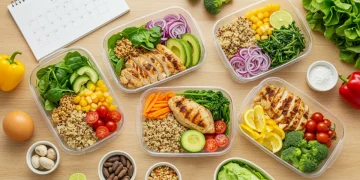
Budget-Friendly Meal Prep: Save 15% on Groceries with 7 Healthy Recipes
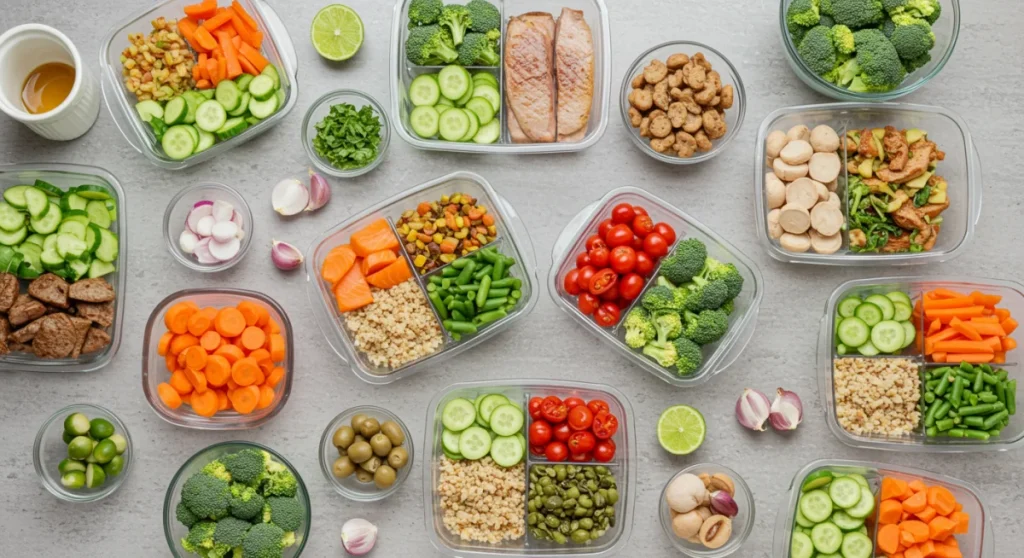
Embracing budget-friendly meal prep in the US can significantly cut grocery expenses by up to 15% this month, providing a strategic approach to maintain a healthy diet without overspending through planned, nutritious meals.
Are you looking to stretch your grocery budget further while still enjoying nutritious meals? Then budget-friendly meal prep is your answer. In the United States, food costs can quickly add up, but with a little planning and the right recipes, you can save a significant amount, potentially up to 15% of your monthly grocery bill.
The Power of Budget-Friendly Meal Prep
Meal prepping is more than just cooking ahead; it’s a strategic approach to managing your food expenses and ensuring consistent healthy eating. By dedicating a few hours each week, you can transform your relationship with food and your finances. This section delves into why meal prep is so effective for savings and health.
Understanding the Financial Benefits
One of the most compelling reasons to adopt meal prep is the direct impact on your wallet. Impulse purchases, eating out, and food waste are major contributors to inflated grocery bills. Meal prepping counters these issues directly.
- Reduced Impulse Buys: When you have pre-made meals, you’re less likely to grab expensive takeout or convenience foods.
- Minimized Food Waste: Planning meals around ingredients you already have or can buy in bulk reduces spoilage.
- Bulk Buying Advantages: Meal prep encourages purchasing ingredients in larger quantities, often at a lower unit cost.
Health Advantages Beyond Savings
Beyond the financial incentives, meal prepping offers substantial health benefits. It gives you control over ingredients, portion sizes, and nutritional content, leading to a more balanced diet.
When you prepare your meals at home, you can easily avoid excessive sodium, unhealthy fats, and added sugars often found in restaurant or pre-packaged foods. This control is crucial for managing weight, improving energy levels, and addressing specific dietary needs or restrictions.
In essence, budget-friendly meal prep empowers you to make healthier choices consistently, transforming your eating habits for the better while simultaneously safeguarding your budget. It’s a win-win strategy for both your health and your finances.
Essential Strategies for Smart Grocery Shopping
Successful budget-friendly meal prep begins with smart grocery shopping. This section explores key strategies to maximize your savings at the supermarket, ensuring every dollar spent contributes to your weekly meal plan.
Creating a Master Shopping List
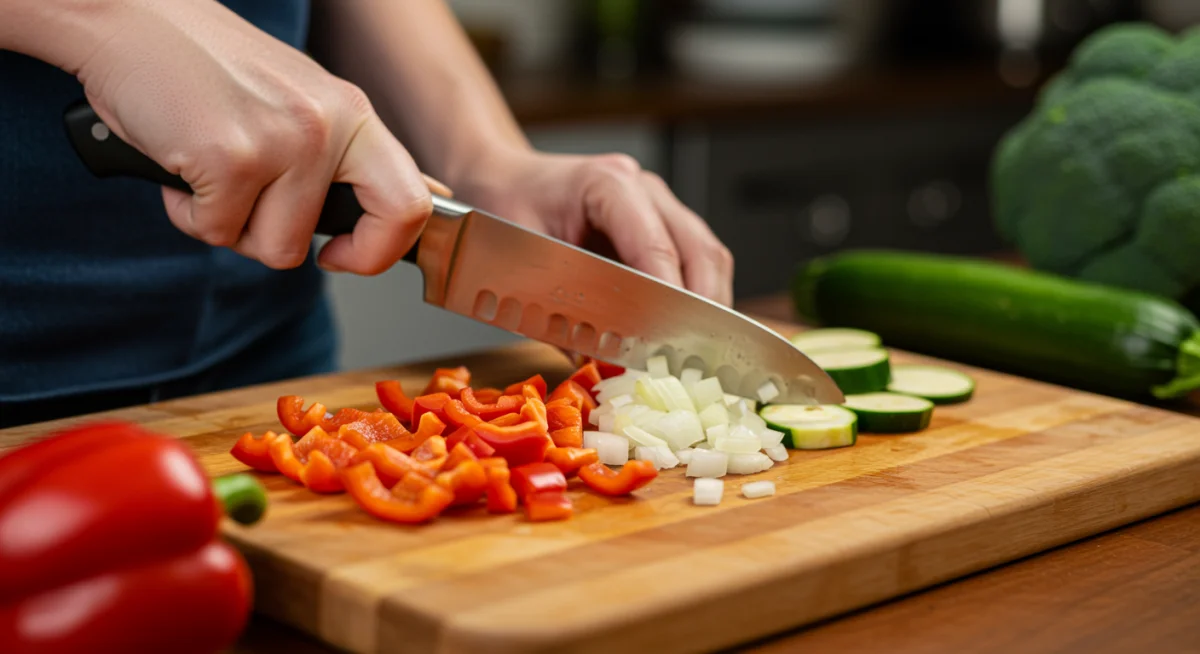
Before you even step foot in the grocery store, a well-thought-out shopping list is your best friend. This list should be directly linked to your meal plan for the week, preventing unnecessary purchases and ensuring you have every ingredient needed.
Start by checking your pantry and refrigerator to see what you already have. This not only saves money but also helps reduce food waste. Categorize your list by store sections (produce, dairy, pantry, etc.) to make your shopping trip more efficient and less prone to impulse buys.
Leveraging Sales and Seasonal Produce
Timing your purchases with sales and seasonality can lead to significant savings. Keep an eye on weekly flyers from your local supermarkets and plan your meals around discounted items. Seasonal fruits and vegetables are not only cheaper but also often fresher and more flavorful.
- Check Weekly Ads: Most grocery stores publish their sales flyers online or in print.
- Buy In-Season: Produce that’s in season is typically less expensive due to abundance.
- Stock Up on Staples: Non-perishable items like grains, canned goods, and frozen vegetables are great to buy when on sale.
Comparing Prices and Buying in Bulk Wisely
Don’t be afraid to compare prices between different brands or even different stores for significant savings. For items you use frequently and have a long shelf life, buying in bulk can be cost-effective. However, only buy in bulk if you know you’ll use it before it spoils, especially for perishable goods.
Consider joining warehouse clubs for bulk discounts, but always calculate the unit price to ensure you’re truly getting a better deal. Strategic grocery shopping is the foundation of effective budget-friendly meal prep, allowing you to acquire quality ingredients without breaking the bank.
Recipe 1: Hearty Lentil Soup with Crusty Bread
Our first recipe embraces the simplicity and nutritional power of lentils. This hearty lentil soup is not only incredibly satisfying and packed with fiber but also exceptionally budget-friendly, making it a perfect staple for your budget-friendly meal prep rotation. It’s a comforting dish that offers excellent value and can be easily scaled up for multiple servings.
Ingredients and Preparation
This soup relies on pantry staples and inexpensive vegetables. You’ll need brown or green lentils, carrots, celery, onions, canned diced tomatoes, vegetable broth, and a selection of herbs and spices. The preparation is straightforward, involving sautéing vegetables, adding liquids and lentils, and simmering until tender.
For added flavor, consider a bay leaf and a touch of smoked paprika. Serve with a slice of whole-grain crusty bread for a complete and filling meal. This recipe yields approximately 6-8 servings, making it ideal for meal prepping throughout the week.
Cost-Saving Tips for Lentil Soup
To keep the cost down, purchase dried lentils in bulk rather than pre-cooked canned varieties. Use frozen mixed vegetables if fresh ones are expensive or out of season. Making your own vegetable broth from scraps can also save money and reduce waste.
The beauty of lentil soup is its versatility; you can adapt it to whatever vegetables are on sale or in your fridge, further reducing costs. It reheats beautifully, making it an excellent choice for lunches or dinners on busy weekdays.
Recipe 2: Chicken and Vegetable Stir-Fry with Brown Rice
A classic for a reason, chicken and vegetable stir-fry is a quick, customizable, and incredibly versatile dish that fits perfectly into a budget-friendly meal prep plan. It’s an excellent way to use up various vegetables and provides a balanced meal with lean protein and whole grains. This recipe focuses on fresh ingredients and efficient cooking methods.
Selecting Affordable Ingredients
For this stir-fry, chicken thighs are often more economical than breasts and offer more flavor. Pair them with a mix of colorful, seasonal vegetables like broccoli, bell peppers, snap peas, and carrots. Brown rice serves as a nutritious and filling base.
- Protein: Boneless, skinless chicken thighs or even tofu for a vegetarian option.
- Vegetables: Choose what’s on sale; frozen stir-fry mixes are also a great budget option.
- Sauce: Soy sauce, ginger, garlic, a touch of honey or maple syrup, and cornstarch for thickening.
Meal Prepping the Stir-Fry
Prepare the chicken by cutting it into bite-sized pieces and marinating it with a portion of the sauce. Chop all your vegetables ahead of time. When it’s time to cook, simply stir-fry the chicken, then add the vegetables, and finally the remaining sauce. Cook a large batch of brown rice separately.
Portion the stir-fry and brown rice into individual containers for easy grab-and-go meals. This dish keeps well in the refrigerator for up to 4 days and can also be frozen for longer storage, providing a convenient and healthy option for multiple meals.
Recipe 3: Black Bean Burgers with Sweet Potato Fries
Embrace plant-based eating with this delicious and economical black bean burger recipe, paired with homemade sweet potato fries. This option is not only incredibly satisfying but also a fantastic way to incorporate more fiber and nutrients into your diet while adhering to a budget-friendly meal prep strategy. It’s a flavorful alternative to meat-based meals.
Crafting Flavorful Black Bean Patties
The base of these burgers is canned black beans, which are very inexpensive. Combine them with breadcrumbs, an egg (or flax egg for vegan), finely diced onions and bell peppers, and a generous amount of spices like cumin, chili powder, and smoked paprika. Form into patties and bake or pan-fry until golden brown.
For the sweet potato fries, simply cut sweet potatoes into uniform sticks, toss with a little olive oil, salt, and pepper, and bake until crispy. This combo provides a healthier take on a classic meal and is packed with nutrients.
Serving and Storage Suggestions
Serve your black bean burgers on whole-wheat buns with your favorite toppings like lettuce, tomato, onion, and a light sauce. The patties can be made in advance and stored in the refrigerator for up to 3-4 days, or frozen for up to a month. Reheat gently in a pan or oven.
The sweet potato fries are best enjoyed fresh but can be reheated in an air fryer or oven for a crisper texture. This meal is a testament to how flavorful and satisfying budget-friendly plant-based meals can be, offering a healthy and economic alternative to traditional fast food.
Recipe 4: Sheet Pan Sausage and Veggies
For ultimate convenience and minimal cleanup, sheet pan meals are a meal prepper’s dream. This sheet pan sausage and veggies recipe is incredibly easy to assemble, highly customizable, and perfect for a budget-friendly meal prep plan. It’s a one-pan wonder that delivers big on flavor with minimal effort.
Simple Ingredients, Maximum Flavor
Choose an affordable sausage, such as chicken or turkey sausage, and pair it with a medley of sturdy vegetables that roast well. Think bell peppers, onions, zucchini, broccoli florets, and potatoes or sweet potatoes. The key is to cut everything into similar-sized pieces for even cooking.
Toss all ingredients with a drizzle of olive oil and your favorite seasonings—garlic powder, Italian seasoning, salt, and pepper work wonderfully. Spread everything onto a single sheet pan and roast until the vegetables are tender and the sausage is cooked through and slightly caramelized.
Efficiency in Meal Preparation
The beauty of this recipe lies in its simplicity. All the prep work involves chopping and tossing, and the cooking is hands-off. Once roasted, divide the mixture into individual containers. This meal is excellent on its own or can be served with a side of quinoa or couscous for added bulk.
This sheet pan meal is perfect for a busy weeknight and provides several servings that reheat well throughout the week. It’s a smart choice for anyone looking to simplify their cooking process without sacrificing flavor or nutrition, proving that budget-friendly meals can also be incredibly convenient.
Recipe 5: Quinoa Salad with Roasted Chickpeas and Lemon Vinaigrette
A vibrant and refreshing option for your budget-friendly meal prep, this quinoa salad with roasted chickpeas is packed with protein, fiber, and an array of fresh flavors. It’s a fantastic vegetarian and vegan-friendly meal that holds up well in the refrigerator, making it ideal for lunches on the go. The combination of textures and tastes is truly satisfying.
Building a Nutritious and Economical Salad
Quinoa forms the base, offering a complete protein source. Roasted chickpeas add a delightful crunch and extra protein, while a mix of fresh vegetables like cucumber, cherry tomatoes, red onion, and parsley provides freshness and vitamins. A simple lemon vinaigrette ties all the flavors together.
To roast the chickpeas, simply drain and rinse canned chickpeas, pat them dry, toss with a little olive oil and spices (like cumin, paprika, and a pinch of cayenne), and roast until crispy. This step can be done in advance.
Tips for Long-Lasting Freshness
To prevent the salad from getting soggy, store the lemon vinaigrette separately and add it just before serving. You can also keep the roasted chickpeas separate and add them at the last minute to maintain their crispness. This ensures each meal tastes fresh and delicious.
This salad is incredibly versatile; feel free to add other ingredients like crumbled feta (if not vegan), olives, or other roasted vegetables you have on hand. It’s a testament to how colorful, healthy, and budget-friendly meal prep can be, providing a light yet filling option for any day of the week.
Recipe 6: Savory Oatmeal with Fried Egg and Spinach
Think beyond sweet when it comes to oatmeal. Savory oatmeal is an unexpected yet incredibly satisfying and budget-friendly meal prep option, especially for breakfast or a light lunch. It’s a hearty, warm meal that’s packed with fiber and protein, keeping you full and energized without a hefty price tag. This recipe offers a unique twist on a breakfast staple.
Transforming Oatmeal into a Savory Delight
Cook rolled oats with vegetable broth instead of water or milk. While the oats are cooking, sauté fresh spinach with garlic until wilted. For each serving, top the savory oatmeal with the sautéed spinach and a perfectly fried or poached egg. A sprinkle of red pepper flakes or a dash of hot sauce can add a nice kick.
- Oats: Use old-fashioned rolled oats for the best texture and sustained energy.
- Broth: Vegetable or chicken broth adds depth of flavor.
- Toppings: Spinach, mushrooms, green onions, and a fried egg are excellent additions.
Prepping for Quick Assembly
The oatmeal can be cooked in a larger batch and stored in the refrigerator. When ready to eat, simply reheat the oatmeal, quickly sauté fresh spinach, and fry an egg. This makes for a quick and nutritious meal that feels gourmet but is incredibly simple and affordable to prepare.
Savory oatmeal is a fantastic way to utilize inexpensive pantry staples and fresh produce to create a wholesome, satisfying meal. It challenges the conventional view of oatmeal and opens up new possibilities for budget-friendly and healthy eating throughout your week.
Recipe 7: One-Pot Pasta with Sausage and Tomatoes
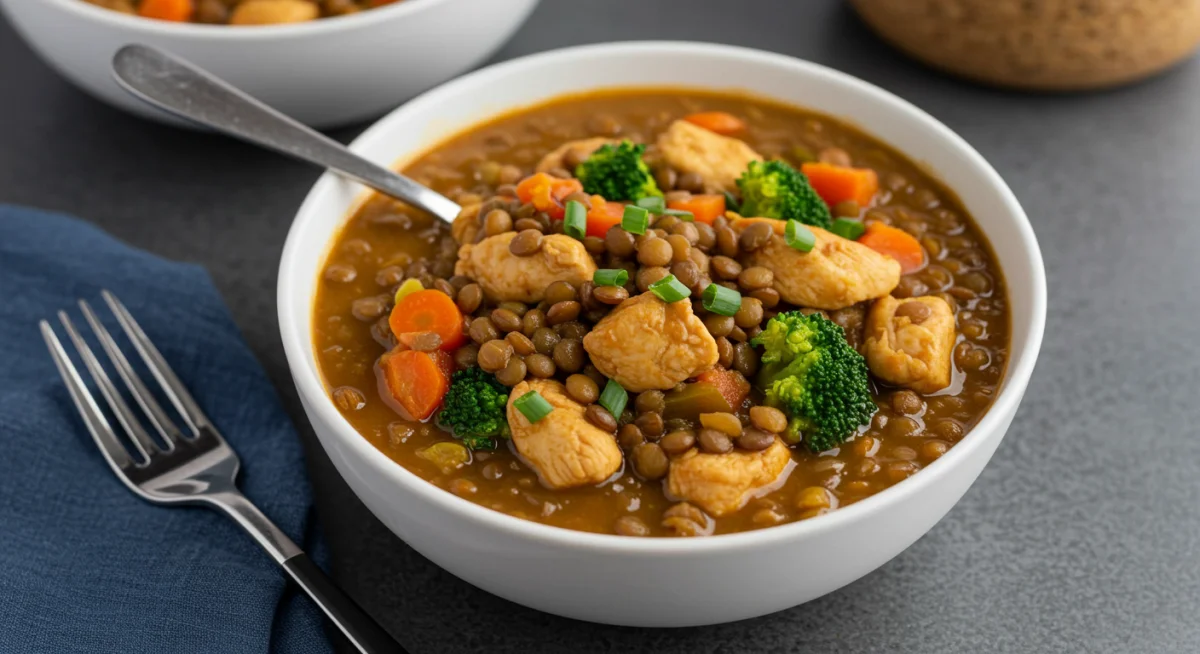
Our final recipe is a true marvel of convenience and budget-friendliness: a one-pot pasta dish. This method minimizes cleanup and streamlines the cooking process, making it perfect for your budget-friendly meal prep. Combining pasta, sausage, and tomatoes in a single pot creates a flavorful, hearty meal with minimal fuss.
The Simplicity of One-Pot Cooking
The magic of this recipe lies in cooking everything together in one pot. You’ll need a good quality pasta (penne or rotini work well), ground sausage (pork, turkey, or plant-based), canned diced tomatoes, vegetable or chicken broth, and some aromatics like garlic and onion. A handful of fresh spinach or basil added at the end brightens the dish.
Sauté the sausage and aromatics first, then add the broth, tomatoes, and uncooked pasta. Bring to a boil, then simmer, stirring occasionally, until the pasta is al dente and most of the liquid has been absorbed, creating a rich sauce.
Batch Cooking for the Week
This one-pot pasta is ideal for batch cooking. Prepare a large quantity on your meal prep day, and then divide it into individual portions for quick and easy meals throughout the week. It reheats beautifully in the microwave or on the stovetop, making it a reliable option for busy days.
The versatility of this dish allows for substitutions based on what you have and what’s on sale. Feel free to swap out the sausage for ground beef or lentils, or add different vegetables like bell peppers or zucchini. This one-pot wonder proves that delicious, healthy, and budget-friendly meals don’t have to be complicated.
| Key Strategy | Benefit |
|---|---|
| Smart Shopping | Reduces impulse buys and food waste. |
| Meal Planning | Ensures balanced nutrition and efficient use of ingredients. |
| Batch Cooking | Saves time and provides ready-to-eat healthy meals. |
| Cost-Effective Recipes | Utilizes inexpensive ingredients for maximum savings. |
Frequently Asked Questions About Budget-Friendly Meal Prep
You can realistically save anywhere from 10% to 25% on your monthly grocery bill by implementing budget-friendly meal prep. These savings come from reducing food waste, avoiding impulse purchases, and making fewer trips to expensive restaurants or convenience stores, directly impacting your overall food budget.
For budget meal prepping, focus on buying whole grains like rice and oats, legumes such as lentils and beans, seasonal produce, and affordable protein sources like chicken thighs, eggs, or tofu. These ingredients are versatile, nutritious, and generally cost less than highly processed or specialty items, maximizing your savings.
Most meal prepped meals, when stored properly in airtight containers, will last for 3 to 5 days in the refrigerator. Soups, stews, and casseroles often fare better, while dishes with fresh greens or delicate sauces might have a shorter shelf life, requiring strategic planning.
Absolutely! Many meal prepped meals freeze exceptionally well, extending their shelf life for up to 1-3 months. Soups, stews, chili, casseroles, and cooked grains are excellent candidates for freezing. Ensure they are completely cooled before freezing in airtight, freezer-safe containers to maintain quality.
For effective meal prepping, you’ll need a good set of airtight food storage containers (glass or BPA-free plastic), a sharp chef’s knife, a large cutting board, and a few large pots and pans. A slow cooker or Instant Pot can also be incredibly useful for hands-off cooking and batch preparation.
Conclusion
Embracing budget-friendly meal prep is a game-changer for anyone in the United States looking to take control of their grocery spending and improve their eating habits. By strategically planning your meals, shopping smarter, and utilizing versatile, cost-effective recipes, you can significantly reduce your monthly food expenses, potentially saving up to 15% or more. The seven healthy recipes shared here offer a solid foundation for delicious, nutritious, and economical eating, proving that healthy living doesn’t have to break the bank. Start your meal prep journey today and experience the financial and health benefits firsthand.