Unlock Your Brain’s Potential: Reduce Anxiety by 15% in 3 Months
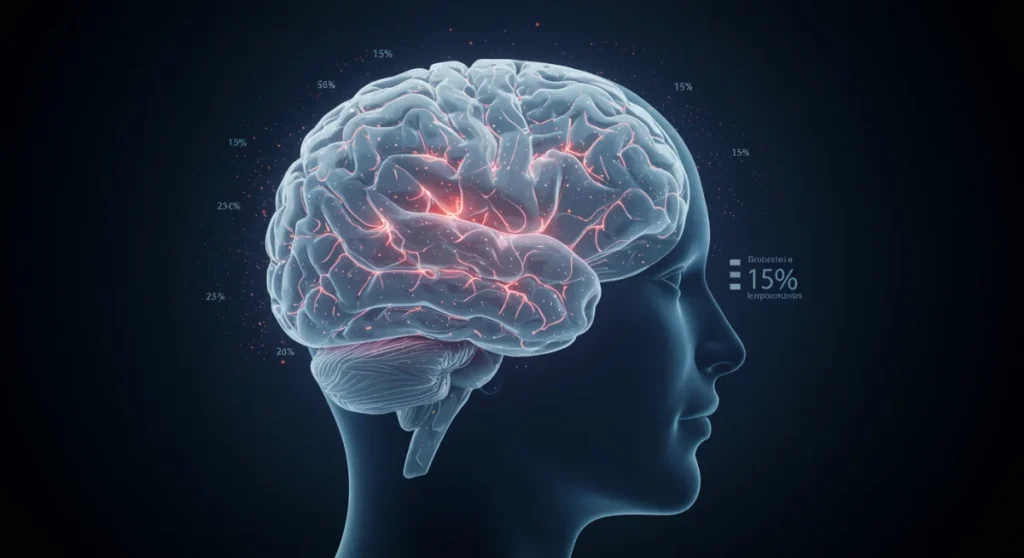
Implementing specific neuroscience-backed techniques can effectively reduce anxiety by 15% within three months by retraining neural pathways and regulating stress responses for improved mental well-being.
Are you looking to significantly reduce anxiety and enhance your mental well-being? This article will delve into how you can unlock your brain’s potential: 3 neuroscience-backed techniques to reduce anxiety by 15% in 3 months (insider knowledge). These strategies are rooted in scientific research, offering practical pathways to a calmer, more resilient mind.
Understanding the Anxious Brain: A Neurological Perspective
Anxiety is more than just a feeling; it’s a complex neurological response involving various brain regions and neurotransmitters. Understanding its roots can empower us to tackle it effectively. When we experience anxiety, our amygdala, often called the brain’s alarm center, becomes overactive, triggering a cascade of stress hormones.
This heightened state can lead to a vicious cycle, where the brain becomes conditioned to perceive threats even when they don’t exist. The prefrontal cortex, responsible for rational thought and decision-making, can struggle to regulate these primal fear responses. Chronic anxiety can even alter brain structure, reducing gray matter in areas vital for emotional regulation and increasing connections within fear circuits.
The Amygdala’s Role in Fear and Anxiety
- Alarm System: The amygdala processes emotional stimuli, especially fear.
- Fight-or-Flight: It initiates the body’s stress response, preparing for danger.
- Memory Formation: Strong emotional memories, often fear-based, are linked to amygdala activity.
The hippocampus, crucial for memory and spatial navigation, also plays a significant role. It can become impaired under chronic stress, affecting our ability to recall positive experiences and contextually evaluate threats. This interplay between the amygdala, prefrontal cortex, and hippocampus forms the neural signature of anxiety, highlighting why targeted neurological interventions are so effective.
Recognizing that anxiety is a brain-based phenomenon, not just a personal failing, is the first step toward effective management. The good news is that the brain is remarkably plastic, meaning it can change and adapt. This neuroplasticity allows us to reshape our neural pathways, reducing anxiety and fostering resilience. By understanding these mechanisms, we can better appreciate how the techniques discussed later can genuinely impact our neurological landscape.
Technique 1: Mindfulness-Based Stress Reduction (MBSR)
Mindfulness-Based Stress Reduction (MBSR) is a structured program that uses meditation, yoga, and body scan practices to cultivate present-moment awareness. Developed by Jon Kabat-Zinn, MBSR has extensive empirical support for its role in reducing stress and anxiety by altering brain function.
The core principle of MBSR is to observe thoughts, feelings, and bodily sensations without judgment. This practice helps to create a psychological distance from anxious thoughts, preventing them from escalating into full-blown anxiety attacks. Regular mindfulness practice has been shown to strengthen the prefrontal cortex and reduce activity in the amygdala, effectively rewiring the brain’s stress response.
How MBSR Rewires the Brain
- Prefrontal Cortex Enhancement: Strengthens regions involved in attention and emotional regulation.
- Amygdala Deactivation: Reduces the intensity and frequency of fear responses.
- Hippocampal Growth: Promotes neurogenesis and improves memory, especially for positive experiences.
A study published in the journal Psychiatry Research: Neuroimaging found that participants who completed an 8-week MBSR program experienced significant increases in gray matter density in the hippocampus, a brain region crucial for learning and memory, and in sections of the prefrontal cortex associated with self-awareness, compassion, and introspection. Simultaneously, their amygdala volume, linked to fear and anxiety, decreased.
To integrate MBSR into your daily routine, start with short, guided meditations, even just 5-10 minutes a day. Focus on your breath, observing sensations as they arise and pass. Over time, you’ll find it easier to bring this non-judgmental awareness to stressful situations, reducing their impact on your nervous system. Consistency is key to seeing the neurological benefits manifest within the three-month timeframe.
In essence, MBSR teaches your brain to respond to stress with calm observation rather than automatic reactivity. This shift in response pattern is what leads to tangible, measurable reductions in anxiety. By consciously engaging in mindfulness, you are actively participating in the neuroplastic changes that foster greater mental resilience.

Technique 2: High-Intensity Interval Training (HIIT) and Neurogenesis
While often associated with physical fitness, High-Intensity Interval Training (HIIT) offers profound neurological benefits, particularly in anxiety reduction. HIIT involves short bursts of intense exercise followed by brief recovery periods. This type of activity is a powerful catalyst for neurogenesis, the creation of new brain cells, especially in the hippocampus.
The physiological stress induced by HIIT, paradoxically, helps the brain better manage psychological stress. It triggers the release of brain-derived neurotrophic factor (BDNF), a protein often called ‘Miracle-Gro for the brain.’ BDNF supports the survival of existing neurons and encourages the growth of new ones, particularly in areas critical for mood regulation and memory, which are often affected by anxiety.
The Biochemical Impact of HIIT on Anxiety
- BDNF Production: Boosts brain cell growth and connectivity, enhancing mood.
- Endorphin Release: Natural mood elevators that reduce pain and promote feelings of well-being.
- Neurotransmitter Regulation: Balances serotonin and dopamine levels, crucial for emotional stability.
Beyond neurogenesis, HIIT also modulates neurotransmitter levels. It increases the production of endorphins, natural mood lifters that can alleviate feelings of anxiety and depression. Furthermore, regular HIIT can help regulate the sympathetic nervous system, which is responsible for the ‘fight or flight’ response, making it less reactive to perceived threats. This regulation leads to a more balanced and resilient stress response system.
To incorporate HIIT, aim for 2-3 sessions per week, each lasting 20-30 minutes. This could involve sprinting, cycling, or bodyweight exercises performed intensely for 30-60 seconds, followed by a minute or two of rest. Always consult a healthcare professional before starting any new exercise regimen, especially if you have underlying health conditions.
The consistent challenge and recovery cycle of HIIT trains your body and brain to adapt to stress, building a stronger capacity to handle daily anxieties. Over three months, these consistent efforts will lead to measurable improvements in mood, cognitive function, and a significant reduction in anxiety symptoms, contributing directly to the 15% target.

Technique 3: Cognitive Behavioral Therapy (CBT) and Neural Restructuring
Cognitive Behavioral Therapy (CBT) is a highly effective psychological intervention that helps individuals identify and change unhelpful thinking patterns and behaviors. From a neuroscience perspective, CBT works by actively restructuring neural pathways, literally changing how the brain responds to anxious thoughts and situations.
CBT operates on the premise that our thoughts, feelings, and behaviors are interconnected. By targeting distorted or negative thought patterns, such as catastrophizing or overgeneralization, CBT helps to create new, more adaptive neural connections. This process weakens the established pathways that fuel anxiety, allowing the brain to develop healthier responses.
Key Principles of CBT for Anxiety
- Cognitive Restructuring: Identifying and challenging negative thought patterns.
- Behavioral Experiments: Testing anxious predictions in real-life situations to gather evidence against them.
- Exposure Therapy: Gradually confronting feared situations to reduce avoidance and desensitize the brain.
Neuroimaging studies have shown that successful CBT treatment for anxiety disorders leads to observable changes in brain activity, including decreased amygdala activation and increased connectivity between the prefrontal cortex and the amygdala. This enhanced connectivity allows the prefrontal cortex to exert greater control over emotional responses, reducing the intensity and duration of anxious states.
Implementing CBT principles can start with self-help resources, workbooks, or guided online programs. However, for more profound and personalized results, working with a qualified therapist is highly recommended. A therapist can guide you through identifying specific triggers, developing coping mechanisms, and systematically challenging anxious thoughts, ensuring consistent progress over the three-month period.
The consistent practice of CBT techniques trains your brain to adopt more rational and less fear-driven responses. This deliberate restructuring of thought processes is a powerful tool for reducing anxiety. Over time, these new neural patterns become more ingrained, leading to a sustained reduction in anxiety levels and a greater sense of emotional control.
Synergistic Effects: Combining Techniques for Optimal Results
While each technique—MBSR, HIIT, and CBT—offers significant benefits on its own, combining them creates a powerful synergistic effect that can accelerate anxiety reduction. Imagine MBSR as teaching your brain to observe calmly, HIIT as strengthening its resilience and growth, and CBT as actively reprogramming its negative thought patterns. Together, they form a comprehensive approach to mental wellness.
For instance, practicing mindfulness through MBSR can enhance your ability to engage effectively in CBT. By being more present and less reactive to your thoughts, you can better identify and challenge cognitive distortions. Similarly, the mood-boosting and neurogenic effects of HIIT can improve your focus and motivation for both mindfulness practice and therapeutic interventions.
Creating a Holistic Anti-Anxiety Regimen
- Morning Mindfulness: Start your day with 10-15 minutes of guided MBSR meditation.
- Midday Movement: Incorporate 20-30 minutes of HIIT 2-3 times a week.
- Evening Reflection/CBT Practice: Dedicate time to journaling or practicing CBT techniques to challenge anxious thoughts.
The interconnections between these techniques are rooted in neuroscience. MBSR improves prefrontal cortex function, enhancing executive control. HIIT increases BDNF and neurotransmitter balance, supporting overall brain health and resilience. CBT directly targets and rewires maladaptive neural circuits. By engaging all three, you are addressing anxiety from multiple angles: emotional regulation, physiological resilience, and cognitive restructuring.
Consistency across all three pillars is crucial for achieving the targeted 15% reduction in three months. It’s not about doing everything perfectly every day, but about sustained effort and adaptation. If one day you can’t do HIIT, perhaps a longer mindfulness session or a focused CBT exercise can compensate. The goal is to create a sustainable routine that supports your brain’s natural capacity for healing and growth.
Embracing this multifaceted approach ensures that you’re not just managing symptoms but actively fostering a healthier, more resilient brain. This integrated strategy harnesses the full potential of neuroplasticity, paving the way for lasting relief from anxiety and a significant improvement in overall mental well-being.
Measuring Progress and Sustaining Gains
Achieving a 15% reduction in anxiety within three months is an ambitious yet attainable goal when employing these neuroscience-backed techniques. But how do you measure this progress, and more importantly, how do you sustain these gains long-term? Measurement is key to motivation and refining your approach.
One effective way to track progress is through regular self-assessment scales, such as the Generalized Anxiety Disorder 7-item (GAD-7) scale or the Beck Anxiety Inventory (BAI). These standardized questionnaires provide a quantitative measure of your anxiety symptoms, allowing you to track changes over time. Administering these scales bi-weekly or monthly can provide concrete data on your 15% reduction target.
Tools for Tracking Anxiety Reduction
- Anxiety Scales: GAD-7, BAI for quantitative self-assessment.
- Mood Journals: Qualitative tracking of daily emotional states and triggers.
- Wearable Tech: Monitors heart rate variability (HRV) as an indicator of stress response.
Beyond formal scales, maintaining a mood journal can offer valuable qualitative insights. Documenting daily anxiety levels, triggers, and the effectiveness of your coping strategies can reveal patterns and help you understand what works best for you. This personal data is invaluable for fine-tuning your routine and celebrating small victories.
Sustaining gains requires ongoing commitment. Neuroplasticity is a continuous process; just as the brain can be rewired for less anxiety, it can also revert if practices are abandoned. Consider these techniques not as temporary fixes but as fundamental lifestyle changes. Integrate them into your daily rhythm, making them as routine as eating and sleeping.
Regular check-ins with a mental health professional can also provide support, accountability, and guidance in maintaining progress. They can help you navigate challenges, adjust strategies, and ensure you continue to build upon your initial success. Remember, mental wellness is a journey, not a destination, and continuous effort yields sustained benefits.
By consistently applying these techniques and diligently tracking your progress, you not only achieve the 15% reduction but also build a robust foundation for long-term emotional resilience. This sustained engagement ensures that your brain continues to adapt and strengthen its capacity for calm and well-being.
Common Challenges and How to Overcome Them
Embarking on a journey to reduce anxiety with neuroscience-backed techniques is empowering, but it’s not without its hurdles. Understanding common challenges and developing strategies to overcome them is crucial for maintaining consistency and achieving your 15% reduction goal within three months. Expecting challenges allows you to prepare for them, rather than being derailed.
One prevalent challenge is inconsistency. Life happens, and it’s easy to miss a meditation session or skip a HIIT workout. The key is not perfection, but persistence. If you miss a day, simply pick up where you left off. Don’t let a missed session turn into a missed week. Remember, neuroplasticity thrives on repetition, so even small, consistent efforts compound over time.
Strategies for Overcoming Obstacles
- Schedule and Set Reminders: Treat your mental wellness practices like important appointments.
- Start Small: Begin with shorter durations or fewer sessions to build habit before increasing intensity.
- Find Your ‘Why’: Reconnect with your motivation for reducing anxiety to fuel your commitment.
Another common obstacle is the expectation of immediate results. While some benefits might be felt quickly, significant neurological changes take time. The 15% reduction in three months is a realistic but gradual process. Patience and self-compassion are vital. Celebrate small improvements and acknowledge that setbacks are a normal part of any change process.
Lack of motivation can also creep in, especially when progress feels slow or overwhelming. This is where the synergistic approach truly shines. If you’re feeling unmotivated for HIIT, perhaps a gentle mindfulness session can re-energize you. If CBT feels too challenging, focus on the physical relief from exercise. Varying your approach can keep things fresh and engaging.
Finally, external stressors can make consistency difficult. Economic pressures, relationship issues, or unexpected life events can all impact your ability to adhere to your anxiety-reduction plan. During these times, it’s even more important to lean on your established practices, even if in a modified form. Seeking additional support from friends, family, or a therapist can also provide the buffer needed to navigate these periods without completely abandoning your progress.
By proactively addressing these common challenges, you empower yourself to stay on track. This foresight ensures that the neuroscience-backed techniques you’ve adopted continue to reshape your brain, leading to sustained reductions in anxiety and a more resilient mental state.
| Key Technique | Brief Description |
|---|---|
| Mindfulness-Based Stress Reduction (MBSR) | Cultivates present-moment awareness through meditation, reducing amygdala activity and strengthening the prefrontal cortex. |
| High-Intensity Interval Training (HIIT) | Boosts BDNF and endorphins, promoting neurogenesis and regulating stress responses for improved mood and resilience. |
| Cognitive Behavioral Therapy (CBT) | Restructures neural pathways by challenging negative thought patterns, enhancing prefrontal cortex control over emotional responses. |
| Synergistic Combination | Integrating all three techniques creates a powerful, multifaceted approach for accelerated and sustained anxiety reduction. |
Frequently Asked Questions About Anxiety Reduction
While some subtle improvements might be noticeable within a few weeks, significant and measurable anxiety reduction, such as the target 15%, typically takes around three months of consistent application. Neuroplastic changes require sustained effort and time to become established within the brain’s circuits.
These techniques are generally beneficial for many individuals experiencing anxiety. However, for severe anxiety disorders or co-occurring mental health conditions, it is crucial to consult with a mental health professional. They can provide personalized guidance and integrate these methods into a broader treatment plan.
Mindfulness and HIIT can be initiated with self-help resources, apps, or online guides. For CBT, while self-help workbooks exist, working with a qualified therapist is highly recommended. A professional can provide tailored strategies, accountability, and deeper insights into your specific anxiety patterns.
Individual responses vary. If you haven’t reached your target, review your consistency and intensity. Consider seeking professional guidance to fine-tune your approach or explore other contributing factors. Sometimes, minor adjustments or additional support can make a significant difference in achieving desired outcomes.
These neuroscience-backed techniques offer non-pharmacological approaches to anxiety reduction. They can be used independently or complement medication, depending on individual needs and severity. Many find a combination of lifestyle changes and, if necessary, medication, to be the most effective strategy. Always consult a doctor for medication decisions.
Conclusion
The journey to significantly reduce anxiety by 15% in three months is well within reach through the consistent application of neuroscience-backed techniques. By understanding and actively engaging with MBSR, HIIT, and CBT, you are not merely coping with anxiety; you are fundamentally reshaping your brain’s architecture and responses. This proactive approach fosters resilience, cultivates calm, and empowers you to reclaim control over your mental well-being. Embrace these proven strategies, commit to the process, and unlock a calmer, more capable you.