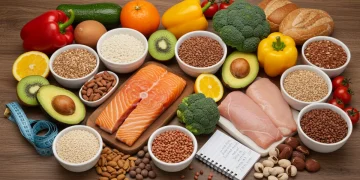
Nutritional Science Updates: 4 Key Gut Health Discoveries
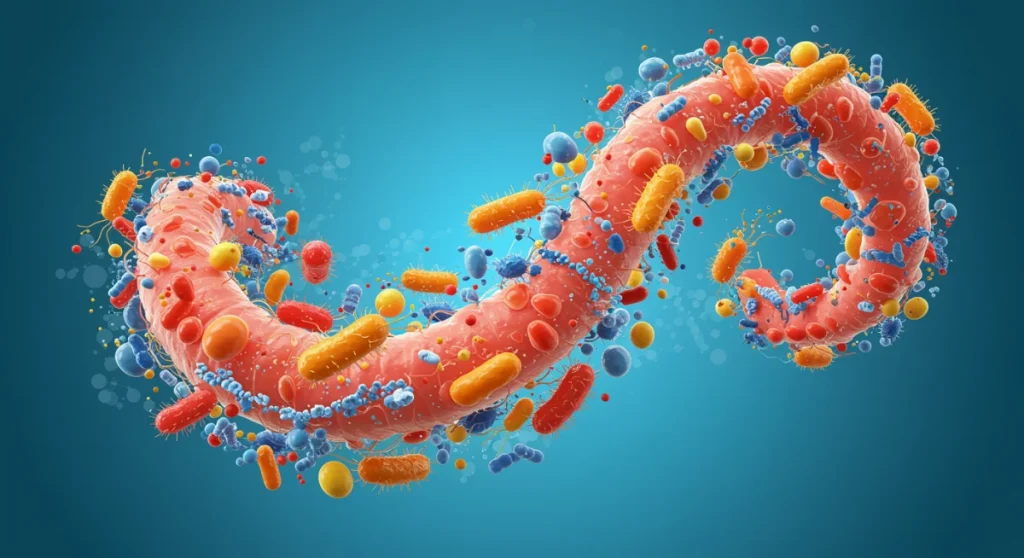
The past three months have unveiled significant nutritional science updates, with four key discoveries profoundly enhancing our comprehension of gut health and its far-reaching effects on overall human wellness.
In an era where personal well-being is increasingly paramount, staying informed about the latest breakthroughs in health and nutrition is essential. The past few months have been particularly groundbreaking, bringing forth significant recent updates in nutritional science: 4 key discoveries from the last 3 months impacting gut health. These revelations are not just academic curiosities; they offer practical insights that could reshape our dietary choices and health strategies, ultimately improving our quality of life.
The evolving understanding of the gut microbiome
The human gut microbiome, a complex ecosystem of trillions of microorganisms, continues to be a focal point in nutritional science. Researchers are constantly unraveling the intricate ways these microbes influence our health, from digestion and nutrient absorption to immune function and even mental well-being. The dynamic nature of this internal universe means that our understanding is perpetually evolving, with new discoveries emerging at a rapid pace.
Recent research has highlighted the remarkable adaptability of the gut microbiome, demonstrating how quickly it can respond to dietary changes. This adaptability underscores the power of nutrition as a tool for modulating our internal ecosystem. Understanding these rapid shifts is crucial for developing personalized dietary interventions that can effectively promote a healthier gut and, by extension, a healthier body.
Dietary fiber’s unexpected roles
For years, dietary fiber has been lauded for its role in digestive health and regularity. However, recent studies have unveiled far more complex and unexpected functions, particularly concerning its interaction with the gut microbiome. It’s no longer just about bulk; it’s about fermentation and the production of vital compounds.
- Short-chain fatty acids (SCFAs): Certain types of fiber are fermented by gut bacteria, producing SCFAs like butyrate, acetate, and propionate. These compounds are crucial for gut barrier integrity, immune modulation, and even energy regulation.
- Immune system modulation: Emerging evidence suggests that fiber-derived SCFAs can influence the development and function of immune cells, potentially playing a role in reducing inflammation and preventing autoimmune conditions.
- Appetite control: Some SCFAs have been linked to improved satiety and appetite regulation, offering new avenues for managing weight and preventing obesity.
The depth of fiber’s impact extends beyond mere digestion, painting a picture of a nutrient that is fundamental to the overall physiological balance. These findings reinforce the importance of a diverse intake of fiber from various plant sources, moving beyond a singular focus on soluble or insoluble types.
Prebiotics and synbiotics redefined
The concepts of prebiotics and synbiotics have also seen significant refinement. Traditionally, prebiotics were understood as non-digestible food ingredients that selectively stimulate the growth and/or activity of beneficial bacteria. Recent nutritional science updates suggest a broader definition, recognizing a wider array of compounds that can exert prebiotic effects.
Synbiotics, which combine probiotics and prebiotics, are also undergoing re-evaluation. The latest research emphasizes the importance of selecting specific strains and complementary prebiotics for targeted health benefits. It’s not just about combining them; it’s about creating synergistic effects that maximize their potential.
In conclusion, the evolving understanding of the gut microbiome underscores its centrality to human health. Fiber’s expanded roles and the refined concepts of prebiotics and synbiotics highlight the precision with which we can now approach dietary interventions to foster a thriving internal ecosystem.
Discovery 1: The impact of ultra-processed foods on microbial diversity
One of the most compelling nutritional science updates from the last three months centers on the profound impact of ultra-processed foods (UPFs) on gut microbial diversity. While the negative health consequences of UPFs have long been suspected, recent studies have provided clearer, more direct evidence linking their consumption to a significant reduction in the variety of beneficial gut bacteria.
These foods, often high in refined sugars, unhealthy fats, and artificial additives, create an environment that favors certain types of bacteria while suppressing others. This imbalance, known as dysbiosis, is increasingly recognized as a precursor to numerous chronic diseases, including inflammatory bowel disease, obesity, and type 2 diabetes.
Mechanisms of microbial disruption
The mechanisms by which UPFs disrupt the gut microbiome are multi-faceted. Their low fiber content means less fermentable substrate for beneficial bacteria, while high sugar and fat levels can promote the growth of pro-inflammatory species. Furthermore, emulsifiers and artificial sweeteners, common in UPFs, have been shown in some studies to directly alter microbial composition and function.
- Reduced fiber intake: UPFs often lack the diverse fiber types essential for feeding a wide array of beneficial microbes.
- High sugar and fat: These components can promote the proliferation of less desirable bacteria, leading to an unfavorable gut environment.
- Additives: Emulsifiers and artificial sweeteners may directly impact the gut lining and microbial balance, contributing to dysbiosis.
Understanding these mechanisms is crucial for public health initiatives aimed at reducing UPF consumption. It empowers individuals with knowledge about how their dietary choices directly influence their internal ecosystem and long-term health.
Implications for chronic disease prevention
The link between reduced microbial diversity from UPF consumption and chronic diseases is becoming increasingly clear. A diverse microbiome is often associated with greater resilience and a healthier immune response. Conversely, a less diverse microbiome can lead to increased gut permeability, systemic inflammation, and metabolic dysfunction.
This discovery provides a powerful incentive for consumers to prioritize whole, unprocessed foods. It shifts the narrative from mere calorie counting to a more holistic view of food’s impact on our internal ecosystems. The implications for preventative healthcare are substantial, suggesting that dietary shifts away from UPFs could be a cornerstone of strategies to combat the rising tide of chronic illnesses.
In summary, the recent scientific findings unequivocally demonstrate that ultra-processed foods are detrimental to gut microbial diversity, setting the stage for various health issues. This reinforces the importance of a whole-food-based diet for maintaining a healthy gut.
Discovery 2: The gut-brain axis and mental health connections
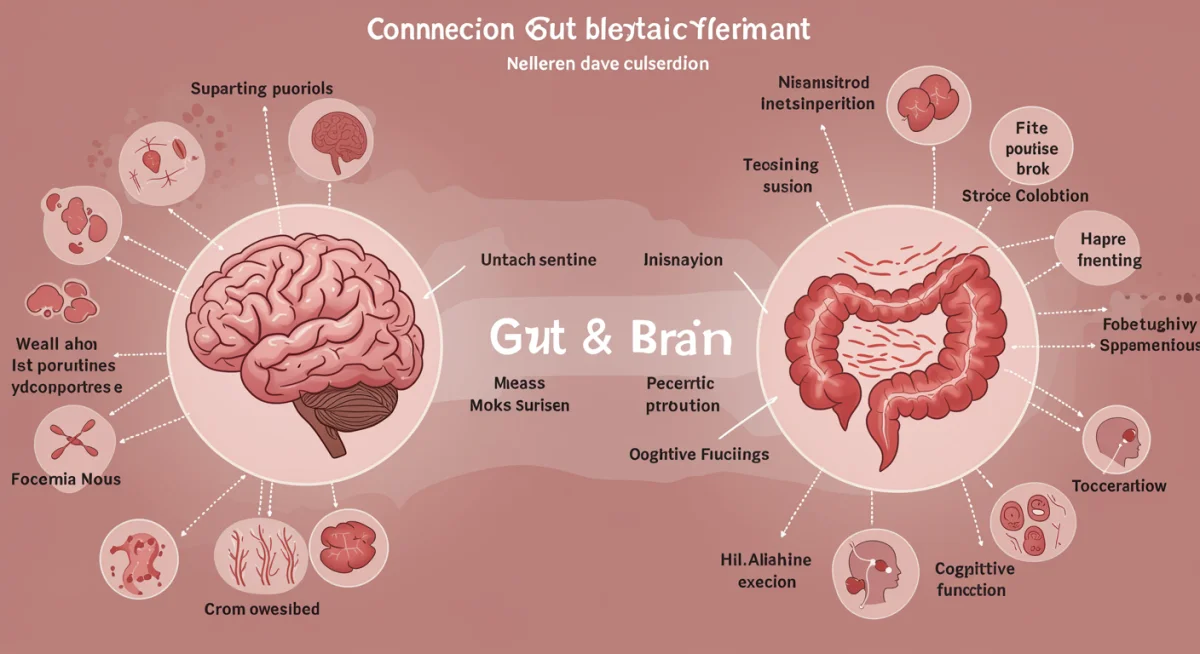
The intricate connection between the gut and the brain, often referred to as the gut-brain axis, has gained significant traction in recent months, with new research shedding light on its profound influence on mental health. This area of study is one of the most exciting nutritional science updates, revealing how our gut microbes can impact mood, anxiety, and even cognitive function.
Scientists are now uncovering precise molecular pathways through which gut bacteria communicate with the brain. This communication involves neurotransmitters, immune signals, and metabolites produced by microbes, all of which can influence brain chemistry and neural activity.
Microbial metabolites and neurotransmitter production
One of the most significant advances in understanding the gut-brain axis is the discovery of how microbial metabolites directly influence neurotransmitter production in the brain. For instance, specific gut bacteria are capable of producing neurotransmitters like serotonin and gamma-aminobutyric acid (GABA), which play critical roles in mood regulation and anxiety.
These findings suggest that a healthy and balanced gut microbiome can contribute to optimal brain function and emotional stability. Conversely, an imbalanced microbiome may contribute to conditions like depression and anxiety by altering the availability of these crucial brain chemicals.

Dietary interventions for mood regulation
The implications of this research are vast, particularly for developing dietary interventions to support mental health. While not a replacement for traditional therapies, targeted nutritional strategies could offer a complementary approach to managing mood disorders.
- Probiotic supplementation: Specific probiotic strains have shown promise in clinical trials for alleviating symptoms of anxiety and depression, likely by influencing neurotransmitter pathways.
- Prebiotic-rich diets: Consuming foods rich in prebiotics can foster the growth of beneficial bacteria that produce mood-enhancing metabolites.
- Omega-3 fatty acids: These essential fats, known for their anti-inflammatory properties, also play a role in brain health and may interact with gut microbes to modulate mood.
The emerging field of psychobiotics, which focuses on the use of beneficial microorganisms to improve mental health, is gaining momentum. This represents a paradigm shift in how we view mental health treatment, integrating gut health as a critical component.
In essence, recent discoveries have solidified the gut-brain axis as a key player in mental well-being. By understanding and nurturing our gut microbiome through diet, we may unlock new avenues for enhancing mood and cognitive function.
Discovery 3: Personalized nutrition and gut health
The concept of personalized nutrition is rapidly moving from theory to practice, with recent nutritional science updates emphasizing its critical role in optimizing gut health. Gone are the days of one-size-fits-all dietary advice; new research highlights that individual responses to food are highly variable, largely dictated by our unique genetic makeup and, crucially, our distinct gut microbiomes.
This personalization extends beyond general dietary guidelines, delving into how specific foods and nutrients interact with an individual’s microbial community. The goal is to tailor dietary recommendations that maximize beneficial microbial activities and mitigate potential adverse reactions.
Genetics meets gut flora
Recent studies are exploring the intricate interplay between human genetics and gut flora. Our genes can influence the types of bacteria that colonize our gut, while in turn, our gut microbes can influence gene expression and metabolic pathways. This bidirectional relationship means that a diet optimal for one person might not be optimal for another, even if they share similar health goals.
For example, certain genetic variations might affect how an individual processes particular nutrients, and this processing can be further modified by the enzymes produced by their gut bacteria. Understanding these complex interactions is key to truly personalized dietary advice.
Dietary pattern responses
Research has begun to identify distinct dietary patterns that elicit different responses in individuals based on their gut microbiome composition. For instance, some individuals may thrive on a high-fiber, plant-based diet, while others might benefit more from a diet that emphasizes specific types of fermented foods or proteins due to their unique microbial profiles.
- Blood sugar regulation: Studies have shown that the same meal can lead to vastly different blood sugar responses in different individuals, largely influenced by their gut microbiome.
- Inflammatory markers: Dietary interventions aimed at reducing inflammation are more effective when tailored to an individual’s specific microbial composition.
- Nutrient absorption: The efficiency of nutrient absorption, including vitamins and minerals, can vary significantly among individuals based on their gut bacteria.
The future of nutrition is likely to involve advanced diagnostics, such as gut microbiome sequencing, to provide highly individualized dietary recommendations. This approach promises a more effective and sustainable path to achieving optimal gut health and overall well-being.
In conclusion, personalized nutrition, guided by an understanding of individual genetics and gut flora, is emerging as a powerful tool. This approach promises to revolutionize how we manage gut health, moving beyond generic advice to highly tailored dietary strategies.
Discovery 4: The role of fermented foods beyond probiotics
While fermented foods have long been recognized for their probiotic content, recent nutritional science updates are revealing a broader spectrum of benefits that extend beyond the live microbial cultures they contain. This new understanding highlights that the fermentation process itself generates a rich array of bioactive compounds that exert significant positive effects on gut health and overall physiology.
These discoveries suggest that even pasteurized fermented foods, which no longer contain live probiotics, can still offer health advantages due to the metabolites and altered food matrix created during fermentation. This paradigm shift broadens the scope of what we consider beneficial fermented products.
Bioactive compounds and postbiotics
The fermentation process transforms raw ingredients, producing a diverse range of bioactive compounds, including peptides, organic acids, and vitamins. These compounds, often referred to as postbiotics, are increasingly recognized for their health-promoting properties. Postbiotics can include microbial cell components, enzymes, and metabolic byproducts that contribute to gut health without necessarily requiring live organisms.
For example, certain fermented dairy products may contain peptides with antihypertensive properties, while fermented vegetables can yield compounds that enhance nutrient bioavailability. This means that the health benefits are not solely dependent on the survival of probiotics through the digestive tract.
Enhanced nutrient availability and digestibility
Fermentation also plays a crucial role in enhancing the digestibility of foods and increasing the bioavailability of certain nutrients. The microbial enzymes involved in fermentation can break down complex carbohydrates and proteins into simpler, more easily absorbed forms. This can be particularly beneficial for individuals with digestive sensitivities.
- Lactose reduction: In dairy fermentation, lactose is broken down, making products like yogurt and kefir more digestible for lactose-intolerant individuals.
- Antinutrient reduction: Fermentation can reduce levels of antinutrients in plant-based foods, such as phytates in legumes, thereby increasing the absorption of minerals like iron and zinc.
- Vitamin synthesis: Some fermented foods can synthesize B vitamins and vitamin K2, contributing to overall nutrient intake.
This expanded view of fermented foods encourages a more holistic appreciation of their role in a healthy diet. It moves beyond a singular focus on live cultures to acknowledge the comprehensive biochemical transformations that occur during fermentation.
To summarize, the latest findings reveal that fermented foods offer benefits beyond just probiotics, thanks to the production of bioactive compounds and enhanced nutrient availability. This broader understanding encourages a more diverse consumption of fermented products, even those without live cultures, for improved gut health.
Integrating recent discoveries into your daily diet
Understanding these nutritional science updates is one thing; integrating them into your daily life is another. The good news is that many of these discoveries point towards practical, actionable steps you can take to foster a healthier gut. It’s about making informed choices that align with the latest scientific evidence, rather than following fleeting dietary fads.
The overarching theme is a move towards a whole-food-based diet, rich in diversity and mindful of the complex interactions within your gut microbiome. Small, consistent changes can lead to significant improvements over time, benefiting not just your digestion but your overall health and well-being.
Prioritizing whole, unprocessed foods
Given the detrimental impact of ultra-processed foods on microbial diversity, a fundamental step is to minimize their consumption. Focus on building your diet around whole, unprocessed ingredients. This includes a wide variety of fruits, vegetables, whole grains, legumes, nuts, and seeds.
These foods naturally provide the diverse array of fibers and nutrients that beneficial gut bacteria thrive on. Cooking at home more often and reading food labels carefully can help you make more conscious choices about what you consume. It’s about nourishing your body with what it truly needs, not just what tastes convenient.
Embracing dietary diversity
The key to a thriving gut microbiome is diversity. Aim to consume a wide range of plant-based foods, as each different plant species provides unique types of fiber and phytochemicals that feed different beneficial microbial strains. Don’t just stick to the same few vegetables; explore new options and rotate your choices regularly.
- Variety of plant foods: Try to include at least 20-30 different plant types in your diet each week, encompassing fruits, vegetables, grains, legumes, nuts, and seeds.
- Fermented foods: Incorporate a variety of fermented foods like yogurt, kefir, sauerkraut, kimchi, and kombucha. Remember, both probiotic-rich and postbiotic-rich options offer benefits.
- Prebiotic sources: Include foods naturally rich in prebiotics such as garlic, onions, leeks, asparagus, bananas, and oats to fuel your beneficial bacteria.
This approach helps to cultivate a robust and resilient gut ecosystem, better equipped to handle external stressors and maintain balance.
Listening to your body and personalized approaches
While general guidelines are helpful, the concept of personalized nutrition reminds us that individual responses can vary. Pay attention to how different foods make you feel. Keep a food diary if necessary to identify patterns and sensitivities. Consulting with a registered dietitian or nutritionist who understands the latest research can also provide tailored guidance.
Embrace a flexible and experimental approach to your diet, always prioritizing nutrient-dense foods and focusing on overall well-being rather than restrictive rules. The journey to optimal gut health is a personal one, and these recent discoveries provide a powerful roadmap.
In conclusion, integrating these scientific advances into your diet involves prioritizing whole, diverse foods and embracing personalized strategies. By making conscious choices, you can actively support a healthier gut and enhance your overall well-being.
Future directions in gut health research
The field of gut health research is one of the most dynamic areas in nutritional science, with new investigations constantly pushing the boundaries of our understanding. The recent updates in nutritional science are just a glimpse into the exciting discoveries yet to come. Future directions promise even deeper insights into the complex interplay between our diet, our microbes, and our health, potentially revolutionizing preventative medicine and personalized therapies.
Researchers are increasingly employing advanced technologies, such as metagenomics and metabolomics, to map the gut microbiome with unprecedented detail. These tools allow for a comprehensive analysis of not just which microbes are present, but also what they are doing and how they are interacting with the host.
Targeted microbial therapies
One of the most promising areas of future research involves the development of targeted microbial therapies. Instead of broad-spectrum probiotics, scientists are working towards identifying specific bacterial strains or consortia that can address particular health conditions. This precision medicine approach aims to restore balance to a dysbiotic gut with highly specific interventions.
This could involve designer probiotics, fecal microbiota transplantation for a wider range of conditions, or even genetically engineered microbes to perform specific therapeutic functions within the gut. The potential for treating conditions from autoimmune diseases to neurological disorders is immense.
The gut-immune axis and chronic disease
The connection between the gut microbiome and the immune system, often termed the gut-immune axis, is another rapidly expanding area. Future research will likely delve deeper into how microbial signals influence immune cell development and function, impacting susceptibility to infections, allergies, and chronic inflammatory diseases.
- Autoimmune conditions: Understanding how gut microbes trigger or prevent autoimmune responses could lead to novel therapeutic strategies for diseases like rheumatoid arthritis and multiple sclerosis.
- Cancer immunotherapy: Emerging evidence suggests the gut microbiome can influence the effectiveness of cancer immunotherapies, opening avenues for improving treatment outcomes.
- Allergies and asthma: Early life gut colonization patterns are known to impact allergy risk, and future research aims to harness this knowledge for preventative interventions.
Deciphering these complex interactions will be crucial for developing truly holistic approaches to health and disease prevention. The gut is increasingly viewed not just as a digestive organ but as a central regulator of immune homeostasis.
In conclusion, the future of gut health research is bright, with ongoing investigations into targeted microbial therapies and the gut-immune axis. These advancements hold the potential to transform our understanding of health and disease, leading to more precise and effective interventions.
Challenges and ethical considerations
While the rapid pace of nutritional science updates in gut health offers immense promise, it also presents a unique set of challenges and ethical considerations that must be carefully navigated. As our understanding of the microbiome deepens, so too does the complexity of applying this knowledge responsibly and equitably. Addressing these challenges is crucial for ensuring that scientific progress translates into genuine public health benefits without unintended consequences.
One significant challenge lies in the sheer individuality of the microbiome. What works for one person may not work for another, making broad dietary recommendations difficult. This variability necessitates sophisticated diagnostic tools and personalized approaches, which can be costly and not universally accessible.
Data interpretation and commercialization
The explosion of microbiome research has led to a proliferation of commercial products and services, ranging from at-home gut microbiome testing kits to specialized probiotic supplements. A major challenge is ensuring that the scientific claims made by these companies are robust and evidence-based, rather than speculative or misleading.
Consumers often struggle to interpret complex microbiome data and may be vulnerable to marketing hype. Ethical concerns arise regarding the privacy of personal microbiome data and the potential for its misuse. Clear regulatory frameworks are needed to protect consumers and maintain scientific integrity in this burgeoning market.
Accessibility and equity in personalized nutrition
As personalized nutrition becomes more sophisticated, there is a risk that its benefits could be disproportionately available to those with greater financial resources. Advanced microbiome testing and tailored dietary plans can be expensive, potentially exacerbating health disparities.
- Cost barriers: High costs associated with advanced diagnostics and personalized interventions could limit access for many individuals.
- Dietary literacy: Understanding complex nutritional science and translating it into practical dietary changes requires a certain level of health literacy, which is not uniformly distributed across populations.
- Ethical guidelines: Developing ethical guidelines for the use of microbiome data and the provision of personalized nutritional advice is paramount to ensure fairness and prevent exploitation.
Ensuring equitable access to the benefits of gut health research will require concerted efforts from policymakers, healthcare providers, and researchers. The goal should be to make personalized approaches accessible and beneficial to all, not just a select few.
In conclusion, while the progress in gut health research is exciting, it brings challenges related to data interpretation, commercialization, and equitable access. Addressing these ethical and practical considerations is vital to harness the full potential of these scientific advancements for public health.
| Key Discovery | Brief Impact on Gut Health |
|---|---|
| Ultra-Processed Foods | Significant reduction in beneficial gut microbial diversity, leading to dysbiosis and increased chronic disease risk. |
| Gut-Brain Axis | Gut microbes directly influence neurotransmitter production and mental health, impacting mood and cognitive function. |
| Personalized Nutrition | Individual responses to food are highly variable based on genetics and unique gut microbiome, requiring tailored dietary advice. |
| Fermented Foods | Benefits extend beyond probiotics, including bioactive compounds (postbiotics) and enhanced nutrient availability. |
Frequently asked questions about gut health discoveries
Ultra-processed foods often lack fiber, which starves beneficial bacteria. Their high sugar, unhealthy fat, and additive content can promote the growth of pro-inflammatory bacteria, leading to an imbalance (dysbiosis) and reduced microbial diversity, which is linked to various health issues.
Yes, absolutely. Recent studies confirm the strong connection through the gut-brain axis. Gut bacteria produce neurotransmitters and metabolites that communicate with the brain, influencing mood, anxiety, and cognitive function. A healthy gut can positively affect mental well-being.
Personalized nutrition means tailoring dietary advice to your unique genetic makeup and gut microbiome. Instead of general recommendations, it focuses on specific foods and nutrients that work best with your individual microbial community to optimize gut function and overall health.
Yes, new research shows that fermented foods offer benefits beyond live probiotics. The fermentation process creates bioactive compounds (postbiotics) and enhances nutrient availability and digestibility, contributing positively to gut health even if live cultures are no longer present.
The gut microbiome is remarkably adaptable. Significant changes in its composition and function can be observed within days to weeks of altering your diet. This rapid response highlights the power of nutrition as a tool for modulating your internal ecosystem.
Conclusion
The recent surge in nutritional science updates, particularly those concerning gut health, paints a vivid picture of an increasingly sophisticated understanding of our internal ecosystems. The four key discoveries from the last three months—highlighting the detrimental effects of ultra-processed foods, the profound influence of the gut-brain axis on mental health, the critical role of personalized nutrition, and the expanded benefits of fermented foods—collectively underscore the immense power of diet in shaping our well-being. These insights are not merely academic; they provide actionable pathways for individuals to make informed choices that can lead to improved digestive function, enhanced mental clarity, and a stronger foundation for overall health. As research continues to evolve, staying abreast of these developments will be crucial for anyone looking to optimize their health through nutrition.