Mindfulness for the Modern American: 7 Steps to Inner Peace
This guide provides a practical 7-step approach to cultivating inner peace and mental wellness for the modern American, addressing the unique challenges and demands of 2026 with actionable mindfulness techniques.
In the whirlwind of 2026, where digital notifications ceaselessly ping and societal expectations often feel overwhelming, finding moments of calm seems like a luxury. However, cultivating mindfulness for the modern American is not just a trend; it’s a vital skill for navigating daily life and achieving genuine inner peace.
Understanding the Modern American Landscape and Mindfulness
The contemporary American experience is characterized by rapid technological advancement, constant connectivity, and often, an unrelenting pace. From the gig economy’s demands to the pervasive influence of social media, our minds are constantly stimulated, making it challenging to truly be present. This perpetual state of ‘doing’ often leaves little room for ‘being,’ leading to increased stress, anxiety, and a disconnect from our inner selves.
Mindfulness offers a powerful antidote to this modern malaise. It’s the practice of intentionally bringing one’s attention to the present moment, without judgment. It’s about observing your thoughts, feelings, and bodily sensations as they arise, allowing you to respond to life’s challenges with greater clarity and calm rather than reacting impulsively. For the modern American, integrating mindfulness isn’t about escaping reality; it’s about engaging with it more effectively and peacefully.
The Challenge of Constant Connectivity
Our smartphones, once tools for connection, have become constant companions, blurring the lines between work and personal life. The pressure to be always available, always responsive, contributes significantly to mental fatigue.
- Digital overload: Too much screen time can disrupt sleep patterns and reduce attention span.
- Social comparison: Curated online lives often lead to feelings of inadequacy and anxiety.
- Information deluge: The sheer volume of news and data can be overwhelming and contribute to a sense of helplessness.
Recognizing these challenges is the first step toward incorporating mindfulness effectively. It requires a conscious effort to disengage from external pressures and reconnect with your internal experience. This isn’t about ignoring responsibilities, but rather about approaching them from a more centered and grounded place.
Embracing mindfulness helps create a much-needed mental space. It allows you to pause, reflect, and choose your responses rather than being swept away by the current of modern life. This foundation is essential for any American seeking sustained well-being in an increasingly complex world.
Step 1: Dedicate Daily “Mindful Moments”
In a world that constantly demands our attention, intentionally carving out small pockets of time for mindfulness can be transformative. These aren’t necessarily long meditation sessions, but rather brief periods where you consciously bring your awareness to the present moment. This practice helps to retrain your brain, gradually shifting it away from constant distraction and towards a state of focused presence.
Starting small is key. Don’t feel pressured to dedicate an hour each day immediately. Even five minutes can make a significant difference. The goal is consistency, not duration. These mindful moments can be integrated into existing routines, making them feel less like an additional chore and more like a natural part of your day.
Integrating Short Mindfulness Practices
Think about activities you perform daily on autopilot. These are perfect opportunities to infuse mindfulness. The idea is to engage all your senses in these routine tasks, transforming them into opportunities for presence.
- Mindful eating: Pay attention to the taste, texture, and smell of your food.
- Mindful walking: Notice the sensation of your feet on the ground, the sounds around you, and the rhythm of your breath.
- Mindful chores: Bring awareness to the process of washing dishes or folding laundry.
These short bursts of awareness accumulate over time, building your capacity for sustained mindfulness. They act as mini-resets throughout your day, helping to reduce stress and improve focus. The power lies in making these moments a regular, intentional part of your schedule, thereby fostering a consistent practice.
By consciously seeking out and dedicating these mindful moments, you begin to reclaim your attention from the endless barrage of external stimuli. This practice is foundational for building a more peaceful and present existence, especially for the busy modern American juggling multiple responsibilities.
Step 2: Practice Mindful Breathing Techniques
Breathing is an automatic function, yet it holds immense power over our physiological and psychological states. Mindful breathing is a cornerstone of any mindfulness practice, offering an immediate and accessible way to calm the nervous system and anchor your awareness in the present moment. It’s a tool always available to you, regardless of your location or circumstances.
When we are stressed or anxious, our breath tends to become shallow and rapid. By consciously slowing down and deepening our breath, we send signals to our brain that it’s safe to relax. This simple act can reduce heart rate, lower blood pressure, and quiet the incessant chatter of the mind. It’s a direct pathway to inner calm.
The 4-7-8 Breathing Technique
One of the most popular and effective mindful breathing techniques is the 4-7-8 method, popularized by Dr. Andrew Weil. This technique is simple to learn and can be practiced anywhere, making it ideal for managing acute stress or preparing for sleep.
- Inhale for 4 counts: Breathe in slowly through your nose, filling your lungs.
- Hold for 7 counts: Hold your breath gently for seven seconds.
- Exhale for 8 counts: Exhale completely through your mouth, making a whoosh sound.
- Repeat: Perform this cycle for a total of four breaths.
This technique works by increasing the oxygen in your system and stimulating the vagus nerve, which plays a crucial role in regulating the body’s rest and digest response. Regular practice can significantly improve your ability to manage stress and promote relaxation, a critical skill for any modern American facing daily pressures.
Beyond specific techniques, simply observing your natural breath without trying to change it can be profoundly grounding. Notice the rise and fall of your chest or abdomen, the sensation of air entering and leaving your nostrils. This non-judgmental observation cultivates a deeper connection to your body and the present moment, fostering a sense of peace amidst external chaos.
Step 3: Cultivate Mindful Communication
In an era dominated by quick texts, emails, and fleeting social media interactions, the art of mindful communication often gets lost. For the modern American, cultivating mindful communication means engaging in conversations with full presence, listening deeply, and speaking intentionally. This practice can transform relationships, reduce misunderstandings, and foster genuine connection in both personal and professional spheres.
Mindful communication isn’t just about the words we use; it’s about the energy and attention we bring to an interaction. It involves putting away distractions, making eye contact, and truly hearing what the other person is saying, rather than formulating your response while they’re still speaking. This level of presence signals respect and builds trust, essential components for meaningful relationships.
Active Listening and Empathetic Responding
One of the core tenets of mindful communication is active listening. This means giving the speaker your undivided attention, both verbally and non-verbally. It’s about being fully present for their message, not just waiting for your turn to talk.
- Listen without interrupting: Allow the speaker to fully express their thoughts.
- Observe non-verbal cues: Pay attention to body language and tone of voice.
- Reflect and clarify: Paraphrase what you’ve heard to ensure understanding.
Following active listening with empathetic responding means trying to understand and share the feelings of the other person. Instead of immediately offering solutions or judgments, acknowledge their emotions and perspective. This creates a safe space for open dialogue and strengthens bonds, which is invaluable in a society often characterized by superficial interactions.
By practicing mindful communication, you not only improve your relationships but also enhance your own sense of inner peace. When you communicate with intention and presence, you reduce the likelihood of miscommunication and conflict, leading to more harmonious interactions and a calmer internal state.
Step 4: Engage in Mindful Movement
Our bodies are constantly communicating with us, yet in the rush of modern life, we often ignore these signals. Mindful movement is about reconnecting with your physical self, using movement as a form of meditation. It’s not about achieving a particular fitness goal, but rather about experiencing the sensations of your body as you move, fostering a deeper mind-body connection.
From yoga and tai chi to simply walking with intention, mindful movement encourages a gentle awareness of each step, stretch, or breath. This practice can release stored tension, improve flexibility, and enhance overall well-being. It’s an active way to bring mindfulness into your physical routine, making exercise not just about physical health, but also mental and emotional balance.
Yoga and Walking Meditation
Yoga, with its emphasis on breath and posture, is a classic example of mindful movement. Each pose is an opportunity to observe sensations, challenge your limits gently, and connect with your breath. It’s a holistic practice that nurtures both the body and the mind.
- Focus on breath: Synchronize your movements with your inhalations and exhalations.
- Notice physical sensations: Observe stretches, tensions, and releases without judgment.
- Stay present: Resist the urge to let your mind wander to future tasks or past events.
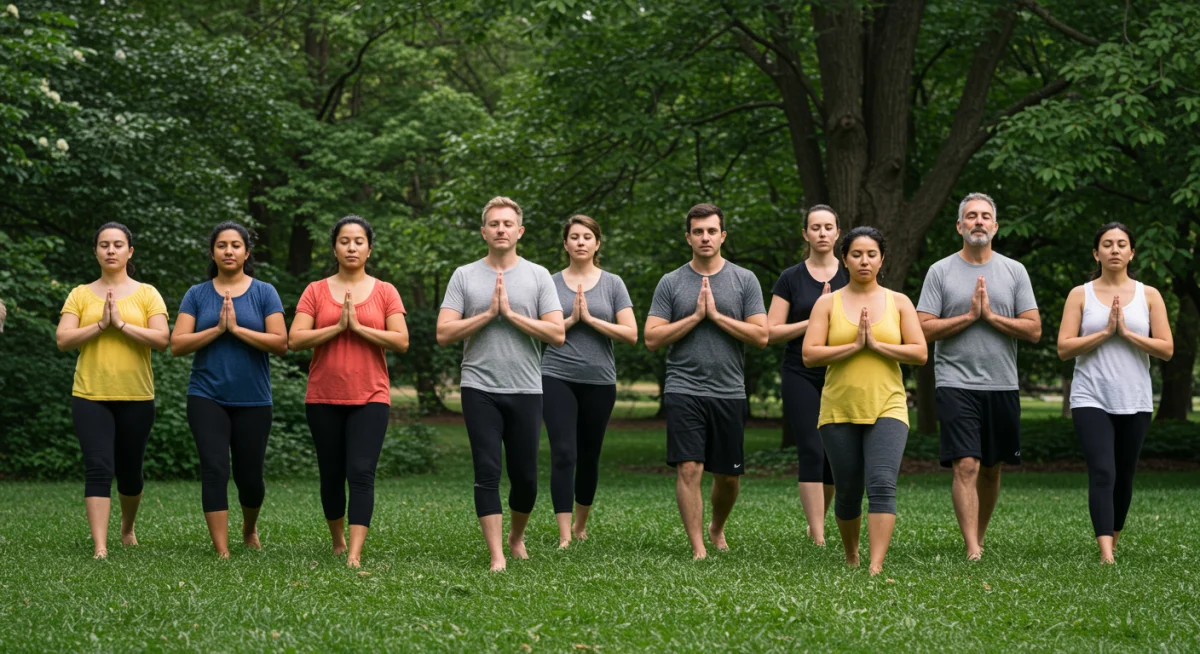
Walking meditation, on the other hand, can be practiced anywhere. It involves paying close attention to the sensation of walking – the lifting and placing of your feet, the swing of your arms, the rhythm of your breath. It’s a simple yet profound way to bring mindfulness into your daily commute or a leisurely stroll, grounding you in the present moment.
By consciously integrating mindful movement into your routine, you create a powerful synergy between your physical activity and mental well-being. This practice is particularly beneficial for the modern American, offering a dynamic way to combat sedentary lifestyles and mental stress, promoting vitality and inner calm.
Step 5: Embrace Digital Detox Periods
The pervasive nature of digital technology, while offering undeniable benefits, often leads to a state of constant distraction and mental exhaustion. For the modern American, deliberately stepping away from screens and notifications through digital detox periods is not just advisable, but essential for mental rejuvenation and cultivating inner peace. These periods allow your mind to rest, process information, and reconnect with the non-digital world.
A digital detox doesn’t necessarily mean abandoning technology entirely. It’s about setting boundaries and creating intentional breaks from constant connectivity. This might involve designated screen-free hours, tech-free zones in your home, or even a full day away from all devices. The goal is to reduce the cognitive load imposed by endless notifications and the pressure to be always ‘on.’
Strategies for Effective Digital Detox
Implementing a successful digital detox requires clear intentions and practical strategies. Start by identifying when and where you can realistically disconnect without causing undue stress or disruption to your responsibilities.
- Set ‘no-phone’ zones: Designate areas like the dining table or bedroom as screen-free.
- Schedule ‘digital sabbaths’: Dedicate a few hours or a full day each week to being completely offline.
- Turn off notifications: Reduce the constant urge to check your phone by disabling non-essential alerts.
During these detox periods, engage in activities that foster presence and creativity. Read a physical book, spend time in nature, pursue a hobby, or simply sit in quiet contemplation. These activities help to restore your attention span and reduce mental clutter, allowing for deeper self-reflection and a stronger sense of inner calm.
By consciously and regularly unplugging, the modern American can reclaim valuable mental space and reduce the overwhelming sense of urgency often imposed by digital demands. This practice is crucial for fostering genuine mindfulness and maintaining a balanced, peaceful state of mind in a hyper-connected world.
Step 6: Practice Gratitude and Self-Compassion
In a society that often emphasizes achievement and external validation, it’s easy for the modern American to fall into patterns of self-criticism and dissatisfaction. Practicing gratitude and self-compassion are powerful mindfulness tools that shift our focus from what’s lacking to what’s present, fostering a more positive and accepting internal environment. These practices cultivate a deeper sense of inner peace and resilience.
Gratitude involves consciously acknowledging and appreciating the good things in your life, no matter how small. It’s about shifting your perspective to recognize blessings and positive experiences, which can significantly improve mood and overall well-being. Self-compassion, on the other hand, means treating yourself with the same kindness, understanding, and acceptance you would offer a good friend, especially during times of difficulty or perceived failure.
Journaling Gratitude and Cultivating Self-Kindness
One effective way to cultivate gratitude is through journaling. Regularly writing down things you are grateful for helps to train your mind to notice the positive aspects of your life, even amidst challenges.
- Daily gratitude list: List three to five things you are grateful for each day.
- Reflect on simple joys: Include small, everyday moments that bring you happiness.
- Express appreciation to others: Verbally or in writing, share your gratitude with those around you.
For self-compassion, try practicing kind self-talk. When you notice self-critical thoughts arising, gently reframe them with understanding and kindness. Acknowledge your struggles as part of the human experience and offer yourself comfort rather than judgment. This practice can significantly reduce stress and enhance emotional resilience, vital for navigating the complex demands of modern American life.
By intentionally fostering gratitude and self-compassion, the modern American can build a stronger, more supportive internal framework. These practices encourage a healthier relationship with oneself and the world, leading to a profound sense of inner peace and contentment, regardless of external circumstances.
Step 7: Seek Mindful Community and Support
While mindfulness is often a deeply personal journey, connecting with like-minded individuals and seeking supportive communities can significantly enhance your practice and provide a sense of belonging. For the modern American, who might often feel isolated despite constant digital connection, finding a mindful community offers invaluable shared experiences, encouragement, and resources. This communal aspect reinforces individual commitment and fosters collective well-being.
A mindful community can take many forms, from local meditation groups and yoga classes to online forums and workshops focused on well-being. The key is to find spaces where you feel safe, understood, and supported in your journey towards greater presence and inner peace. These connections provide opportunities to learn from others, share insights, and navigate challenges with collective wisdom.
Joining Meditation Groups and Wellness Workshops
Participating in structured mindfulness activities can deepen your practice and introduce you to new techniques. These groups often provide expert guidance and a dedicated environment for focused practice, which can be difficult to replicate alone.
- Local meditation centers: Offer guided sessions and a quiet space for practice.
- Online mindfulness platforms: Provide virtual classes and communities for flexible access.
- Wellness retreats: Offer immersive experiences for intensive practice and self-discovery.
Beyond formal groups, simply sharing your mindfulness journey with a trusted friend or family member can also be a form of community support. Discussing your experiences, challenges, and insights can normalize the process and provide mutual encouragement. This shared path helps to combat the sense of isolation that can sometimes accompany personal growth, making the journey more enriching and sustainable.
By actively seeking and engaging with mindful communities, the modern American can strengthen their commitment to cultivating inner peace. These connections provide not only support and guidance but also a powerful reminder that the journey towards mindfulness is a shared human endeavor, strengthening both individual and collective well-being.
| Key Step | Brief Description |
|---|---|
| Mindful Moments | Integrate short periods of present-moment awareness into daily routines. |
| Mindful Breathing | Utilize breathing techniques like 4-7-8 to calm the nervous system. |
| Digital Detox | Establish boundaries with technology to reduce mental overload. |
| Gratitude & Self-Compassion | Cultivate positive self-talk and appreciation for a balanced mindset. |
Frequently Asked Questions About Mindfulness
Mindfulness is the practice of being fully aware of the present moment without judgment. For modern Americans, it’s crucial for managing stress, improving focus, and cultivating inner peace amidst constant digital demands and fast-paced lifestyles, promoting mental and emotional resilience.
Begin with short, intentional practices like mindful eating, where you focus on taste and texture, or mindful walking, paying attention to sensations. Even 5-10 minutes during routine activities, like your commute or a coffee break, can help build consistency and presence.
Yes, digital detoxes are essential. They help reduce cognitive overload, improve attention spans, and allow for mental rest from constant notifications and information. Setting boundaries with technology, such as screen-free zones or scheduled offline periods, is vital for mental rejuvenation and deeper presence.
Self-compassion is fundamental to mindfulness, involving treating yourself with kindness and understanding, especially during difficulties. It reduces self-criticism, fosters emotional resilience, and promotes a more positive internal environment, which is crucial for maintaining inner peace and well-being in challenging times.
Community support provides shared experiences, encouragement, and resources that reinforce individual commitment. Joining meditation groups, wellness workshops, or even sharing your journey with friends offers valuable perspectives, accountability, and a sense of belonging, making the path to mindfulness more sustainable and enriching.
Conclusion
Cultivating inner peace amidst the demands of modern American life in 2026 is not merely an aspiration but a necessity for holistic well-being. By embracing these seven practical steps—dedicating mindful moments, practicing mindful breathing, engaging in mindful communication and movement, implementing digital detoxes, fostering gratitude and self-compassion, and seeking community support—you can systematically integrate mindfulness into your daily routine. This journey is about intentional presence, allowing you to navigate the complexities of contemporary existence with greater calm, clarity, and resilience, ultimately leading to a more fulfilling and peaceful life.