Financial Impact of Healthy Eating: Save 20% on Groceries
Achieving a 20% reduction in grocery expenses by 2026 is highly attainable through strategic healthy eating and consistent meal preparation, significantly boosting your financial health and overall well-being.
Exploring the financial impact of healthy eating reveals a powerful synergy between well-being and wealth, especially when coupled with smart meal prep strategies. Many believe that eating healthy is inherently more expensive, a misconception that often deters individuals from adopting beneficial dietary changes. However, by strategically planning meals and making informed choices at the grocery store, it’s not only possible to maintain a nutritious diet but also to significantly cut down on food expenditures, potentially saving up to 20% on groceries by 2026. This article delves into how mindful eating and proactive preparation can transform your financial landscape while simultaneously elevating your health.
Debunking the Myth: Healthy Eating as a Cost-Saving Strategy
The pervasive belief that healthy eating is an expensive endeavor often acts as a significant barrier for many Americans looking to improve their diet. This myth, however, doesn’t stand up to scrutiny when examined through the lens of smart planning and cost-effective ingredient choices. In reality, prioritizing whole, unprocessed foods can be remarkably budget-friendly, especially when compared to the hidden costs associated with convenience foods, frequent dining out, and the long-term health expenditures linked to poor nutrition.
Understanding the true cost of food goes beyond the sticker price. Fast food and highly processed snacks might seem cheap in the moment, but they often lack nutritional density, leading to increased hunger, overeating, and a cycle of purchasing more food. Furthermore, a diet rich in these items can contribute to chronic health conditions, which carry substantial financial burdens in medical bills, prescriptions, and lost productivity. By shifting focus to nutrient-dense, whole foods, you invest in your health, reducing future healthcare costs and enhancing overall quality of life.
The Hidden Costs of Unhealthy Habits
- Frequent Dining Out: Restaurant meals, even seemingly affordable ones, typically cost significantly more than home-cooked equivalents.
- Processed Food Premium: Convenience foods often have higher per-serving costs due to processing, packaging, and marketing.
- Food Waste: Impulse purchases and lack of meal planning lead to unused ingredients spoiling, effectively throwing money away.
- Health-Related Expenses: Long-term consumption of unhealthy foods can contribute to chronic diseases, resulting in costly medical treatments.
Embracing healthy eating as a cost-saving strategy involves a paradigm shift. It’s about recognizing the value in preparing meals at home, choosing seasonal produce, buying in bulk when appropriate, and minimizing waste. These practices, while requiring an initial investment of time and planning, yield substantial financial dividends over time, making a healthy lifestyle accessible and affordable for a broader population. The goal is not just to eat better, but to spend smarter.
The Power of Meal Prepping: Your Financial Ally
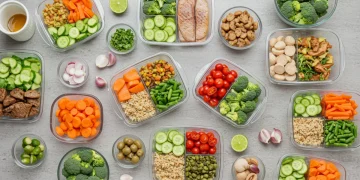
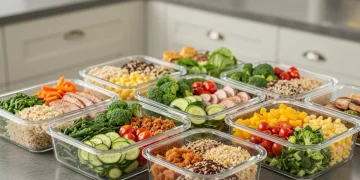
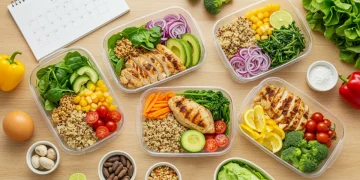
Meal prepping is more than just a trend; it’s a strategic approach to eating that can revolutionize both your diet and your finances. By dedicating a few hours each week to planning and preparing meals in advance, you gain unparalleled control over your food choices, portion sizes, and, critically, your budget. This proactive method directly addresses many of the pitfalls that lead to overspending on food, paving the way for significant grocery savings.
When you meal prep, you’re less likely to succumb to impulse purchases or the convenience of expensive takeout when hunger strikes. Having healthy, pre-made meals readily available means you’re always prepared, eliminating the need for last-minute, budget-breaking decisions. This discipline in food preparation translates directly into financial discipline, allowing you to allocate your money more effectively towards other financial goals.
Key Benefits of Strategic Meal Prepping
- Reduced Food Waste: Planning meals around specific ingredients ensures everything gets used, minimizing spoilage.
- Controlled Portions: Pre-portioned meals help prevent overeating, which can lead to buying more food than necessary.
- Time Savings: While initial prep takes time, it saves countless hours during busy weekdays, freeing up valuable personal time.
- Healthier Choices: Having nutritious meals on hand makes it easier to stick to dietary goals and avoid unhealthy temptations.
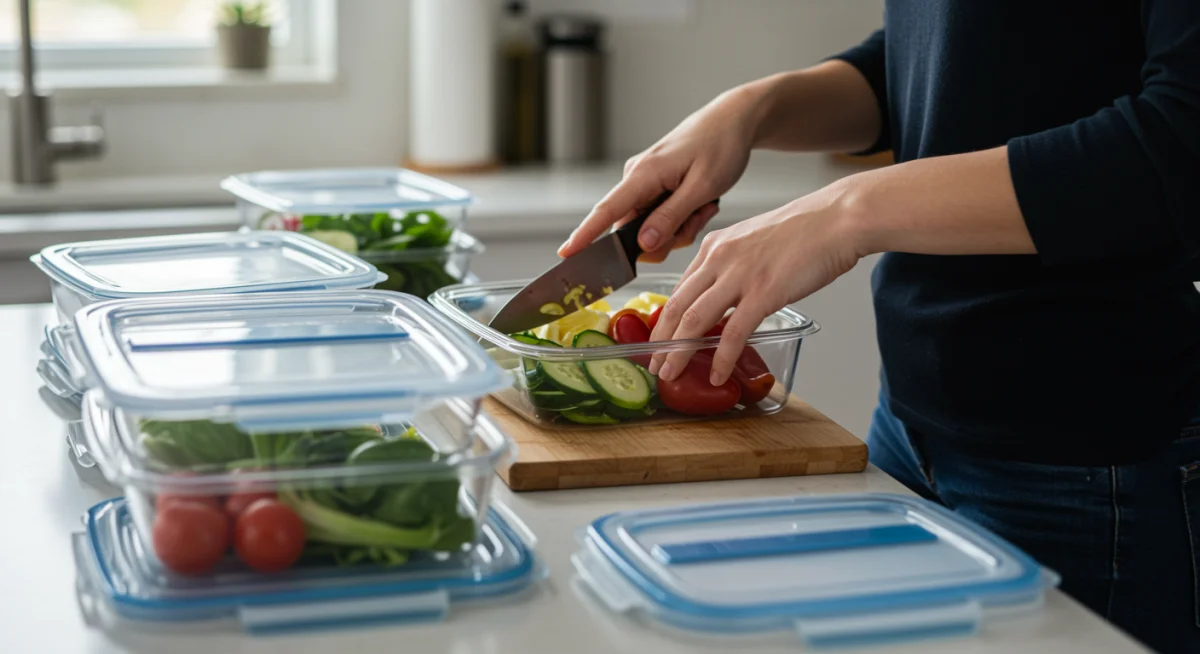
The act of meal prepping also encourages a deeper understanding of food costs. When you buy ingredients for specific recipes, you become more aware of unit prices and value. This awareness fosters smarter shopping habits, guiding you towards more economical choices without sacrificing nutritional quality. It’s a virtuous cycle: better planning leads to better eating, which leads to better financial health.
Strategic Grocery Shopping: Maximizing Every Dollar
Achieving substantial savings on your grocery bill begins long before you even step foot in the supermarket. Strategic grocery shopping is a cornerstone of effective meal prep and a healthy eating budget. It involves a systematic approach to planning, purchasing, and managing your food supplies to ensure you get the most nutritional value and longevity for your money.
One of the most impactful strategies is creating a detailed shopping list based on your meal plan for the week. This list acts as your guide, preventing impulse buys and ensuring you only purchase what you genuinely need. Before creating your list, check your pantry, refrigerator, and freezer to avoid duplicating items you already have. This simple step alone can prevent significant waste and unnecessary spending.
Smart Shopping Techniques for Savings
- Shop with a List: Stick strictly to your pre-planned list to avoid impulse purchases.
- Buy in Bulk (Wisely): Purchase non-perishable staples and items you use frequently in larger quantities when they are on sale.
- Compare Unit Prices: Always look at the unit price (price per ounce, pound, etc.) to determine the true best value.
- Utilize Sales and Coupons: Plan meals around weekly sales flyers and digital coupons to maximize discounts.
Beyond the list, consider where you shop. Different stores specialize in different products, and comparing prices across a few local options can yield significant savings. Farmers’ markets often offer fresh, seasonal produce at competitive prices, while discount grocers can be excellent for pantry staples. By combining these strategies, you transform grocery shopping from a chore into a highly effective money-saving mission.
Budget-Friendly Healthy Ingredients for 2026
Navigating the aisles for budget-friendly yet healthy ingredients is an art form that, once mastered, becomes a powerful tool in your financial and nutritional arsenal. The key lies in understanding which foods offer high nutritional value without breaking the bank. Contrary to popular belief, many of the healthiest ingredients are also among the most affordable, especially when purchased strategically.
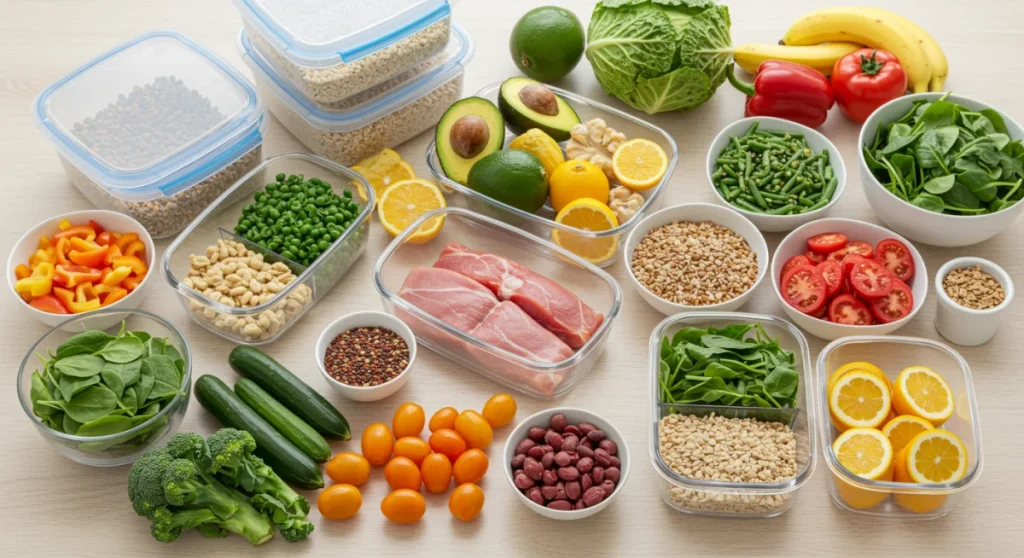
Focusing on whole foods forms the foundation of a cost-effective healthy diet. Grains like oats, brown rice, and quinoa are inexpensive, versatile, and packed with fiber. Legumes such as beans, lentils, and chickpeas are protein powerhouses that can replace more expensive meat options in many dishes. These staples not only stretch your dollar but also provide essential nutrients for sustained energy and health.
Affordable Healthy Food Staples
- Legumes: Dried or canned beans, lentils, and chickpeas are excellent sources of protein and fiber.
- Whole Grains: Oats, brown rice, pasta, and whole-wheat bread provide sustained energy and essential nutrients.
- Seasonal Produce: Buying fruits and vegetables when they are in season is often cheaper and ensures peak freshness.
- Frozen Fruits and Vegetables: A cost-effective alternative to fresh, often retaining more nutrients and reducing waste.
- Eggs: An economical source of high-quality protein, versatile for many meals.
Don’t overlook frozen fruits and vegetables. They are often picked at their peak ripeness and flash-frozen, locking in nutrients. They tend to be cheaper than fresh out-of-season produce and eliminate waste since you only use what you need. By stocking your pantry and freezer with these budget-friendly essentials, you create a robust foundation for healthy, affordable meals throughout the year.
Cooking at Home: The Ultimate Cost-Saving Measure
The simple act of cooking at home is arguably the single most effective strategy for reducing your food expenses and improving your diet. While dining out or ordering takeout offers convenience, the financial implications are significant. Restaurants mark up food prices considerably to cover overheads, labor, and profit margins, meaning you pay a premium for every meal consumed outside your kitchen.
When you cook at home, you control every aspect of your meal: the ingredients, the portion sizes, and the preparation methods. This level of control not only ensures nutritional quality but also allows for precise budgeting. You can choose cheaper cuts of meat, utilize sales, and adapt recipes to use ingredients you already have on hand, significantly lowering the per-meal cost compared to even the most modest restaurant fare.
Benefits of Home Cooking for Your Wallet and Health
- Significant Cost Savings: Home-cooked meals are almost always cheaper than restaurant or takeout options.
- Nutritional Control: You dictate the ingredients, avoiding excessive salt, sugar, and unhealthy fats often found in prepared foods.
- Reduced Food Waste: Cooking at home allows for creative use of leftovers and prevents unused ingredients from spoiling.
- Skill Development: Enhances your culinary abilities, making healthy eating more enjoyable and sustainable long-term.
Furthermore, cooking at home fosters a deeper connection with your food and encourages mindful eating. The process of preparing a meal, from chopping vegetables to simmering sauces, can be a therapeutic and rewarding experience. This engagement can lead to a greater appreciation for your food, reducing mindless snacking and promoting healthier eating habits that support both your well-being and your financial goals.
Tracking Progress and Adapting Strategies for 2026
To truly realize the financial impact of healthy eating and achieve that 20% grocery saving by 2026, consistent tracking and adaptation are crucial. It’s not enough to implement meal prep and smart shopping strategies once; these practices require ongoing evaluation and refinement to ensure maximum efficiency and savings. Think of it as a dynamic process, where small adjustments can lead to significant cumulative benefits over time.
Start by establishing a baseline. Track your current grocery spending for a month or two to get a clear picture of where your money is going. This initial data will serve as your benchmark. Once you begin implementing meal prep and other cost-saving strategies, continue to monitor your expenses. Many budgeting apps and spreadsheets can simplify this process, providing visual feedback on your progress.
Tools and Tips for Effective Tracking
- Budgeting Apps: Utilize apps like Mint, YNAB, or your bank’s budgeting tools to categorize and track food expenses.
- Spreadsheets: Create a simple spreadsheet to log grocery spending and compare it against your targets.
- Receipt Review: Regularly review grocery receipts to identify areas of overspending or opportunities for better deals.
- Meal Plan Adjustments: Based on your tracking, identify which meals or ingredients are most cost-effective and adjust future plans accordingly.
Beyond just tracking expenses, pay attention to the impact on your health and energy levels. Are you feeling better? Do you have more energy? These non-monetary benefits are equally important indicators of success. By regularly reviewing both your financial and physical well-being, you can fine-tune your healthy eating and meal prep strategies, ensuring they remain sustainable, enjoyable, and financially rewarding as you move towards your 2026 goals.
| Key Strategy | Financial Impact |
|---|---|
| Meal Prepping | Reduces impulse buys and food waste, leading to substantial savings. |
| Strategic Grocery Shopping | Optimizes spending through lists, bulk buying, and unit price comparisons. |
| Home Cooking | Significantly cheaper than dining out, offering full control over ingredients and budget. |
| Utilizing Budget-Friendly Ingredients | Focuses on affordable, nutrient-dense foods like legumes, grains, and seasonal produce. |
Frequently Asked Questions About Healthy Eating and Savings
▼
By implementing consistent meal prep, many individuals report saving between 10% to 30% on their weekly grocery bills. This can translate to hundreds or even thousands of dollars annually, significantly impacting your household budget and allowing for other financial goals.
▼
No, this is a common misconception. While some specialty health products can be pricey, a diet based on whole, unprocessed foods like seasonal produce, legumes, and grains is often more affordable than frequent purchases of processed foods, fast food, and restaurant meals.
▼
Excellent budget-friendly protein sources include eggs, dried or canned beans, lentils, chickpeas, tofu, and chicken thighs. These options provide high-quality protein without the high cost often associated with premium cuts of meat, making them ideal for economical meal planning.
▼
Reducing food waste involves careful planning. Create a meal plan for the week, make a precise grocery list, and use all purchased ingredients. Utilize leftovers creatively, understand proper food storage techniques, and freeze portions you won’t eat immediately to extend their shelf life.
▼
Seasonal ingredients are typically more abundant, fresher, and therefore cheaper. By planning your meals around what’s in season, you can access higher quality produce at lower prices, directly contributing to your goal of saving money on groceries while eating healthier.
Conclusion
The journey toward a healthier lifestyle doesn’t have to be a financial burden; in fact, it can be a significant source of savings. By embracing smart meal prep strategies and adopting mindful grocery shopping habits, individuals can profoundly impact their financial well-being, potentially saving 20% or more on groceries by 2026. This integrated approach not only fosters better physical health but also cultivates financial resilience, proving that investing in your health is truly an investment in your future.